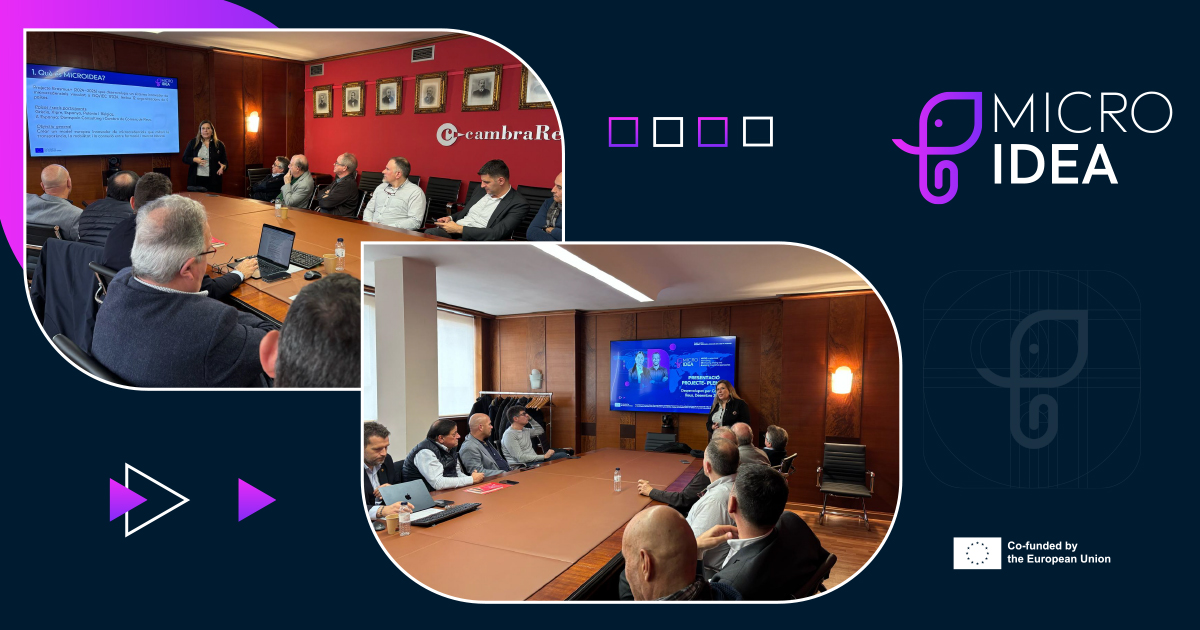
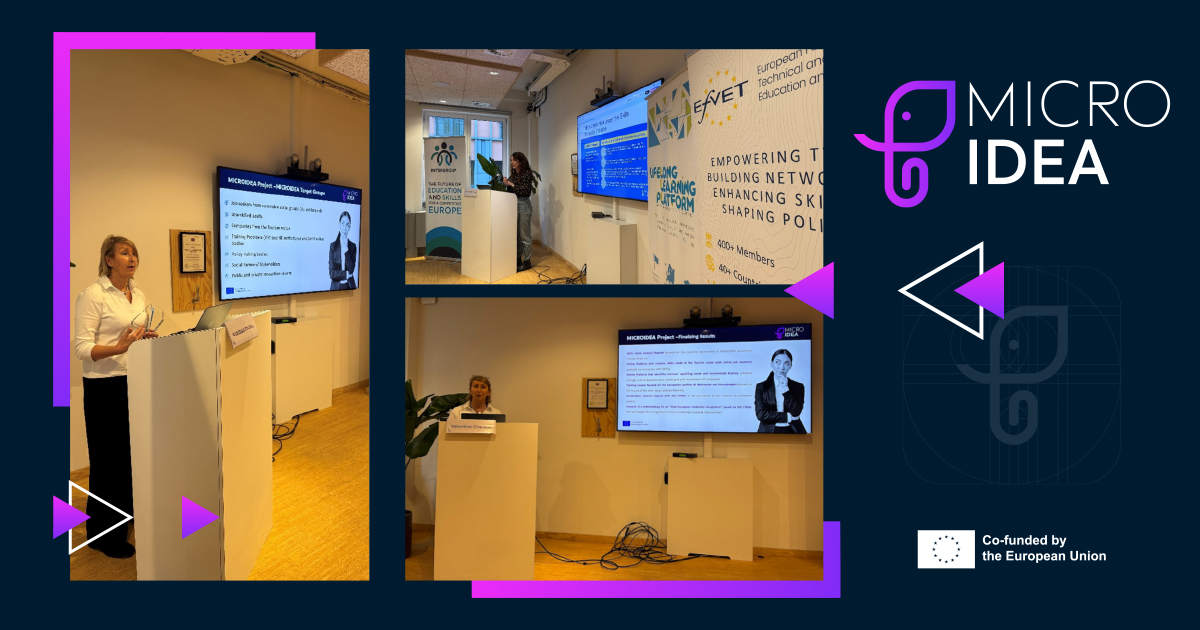
One of the goals of the MicroIdea project is to observe and share innovative practices in Vocational Education and Training (VET) across Europe. By highlighting national reforms, we aim to inspire new approaches to learning that are flexible, inclusive, and better adapted to the needs of both learners and the labour market. In this context, the recent changes introduced in Spain’s VET system are particularly relevant.
Spain has launched a major reform of VET with the ambition to modernise training pathways and to make lifelong learning a reality for everyone. A central aspect of this reform is the introduction of a new framework of qualifications, structured in different levels. Among them, Levels A, B and C (known in Spanish as “grados”) form the foundation. These new levels create clearer entry points and progression routes, allowing learners to gradually build competences and achieve recognised qualifications.
Level A: Starting with Small Steps
Level A represents short, targeted training units focused on a specific competence. Completing one of these units gives the learner a partial accreditation, which on its own does not grant a professional qualification but can be accumulated with others. This is particularly useful for those who want to begin their training journey in small, manageable steps, or for workers who need to certify very specific skills.
Level B: Building on Competences
Level B groups several training modules together to form a Certificate of Competence. This provides a stronger recognition of professional skills, while still allowing for flexibility and accumulation. Learners can progress from Level A to Level B without losing their achievements, making the path more motivating and transparent. It also opens opportunities for recognising competences gained through work experience, bringing training closer to real-life practice.
Level C: Achieving a Full Qualification
Level C corresponds to a Professional Certificate that is valid at the national level. This is a complete qualification that grants access to the labour market with official recognition. Learners can reach this level either through formal training or by validating their existing skills and professional experience. By combining flexibility with official accreditation, Level C bridges the gap between education and employment.
Why This Matters for MicroIdea
This modular system is closely aligned with the European vision for VET, which emphasises lifelong learning, permeability between pathways, and recognition of competences across countries. For MicroIdea, these developments are highly relevant. They illustrate how a national system can integrate micro-credentials, support continuous upskilling, and open opportunities for learners who may not follow traditional education routes.
The Spanish model shows how training can be designed to include learners of all ages and backgrounds, helping them to progress at their own pace. It also responds to the needs of employers, who increasingly demand flexible and up-to-date skills in areas such as digitalisation and sustainability. This dual focus on inclusion and labour market relevance is at the heart of the MicroIdea project as well.
Looking Forward
Spain’s new VET qualifications provide a clear, flexible pathway for learners to progress from short skill units to full professional certificates. This approach supports lifelong learning, encourages the recognition of competences gained through work experience, and strengthens alignment with labour market needs.
For visitors and stakeholders interested in VET innovation, Spain’s reform is an inspiring example of how modern training systems can empower learners, promote inclusion, and create tangible opportunities for professional growth across Europe.