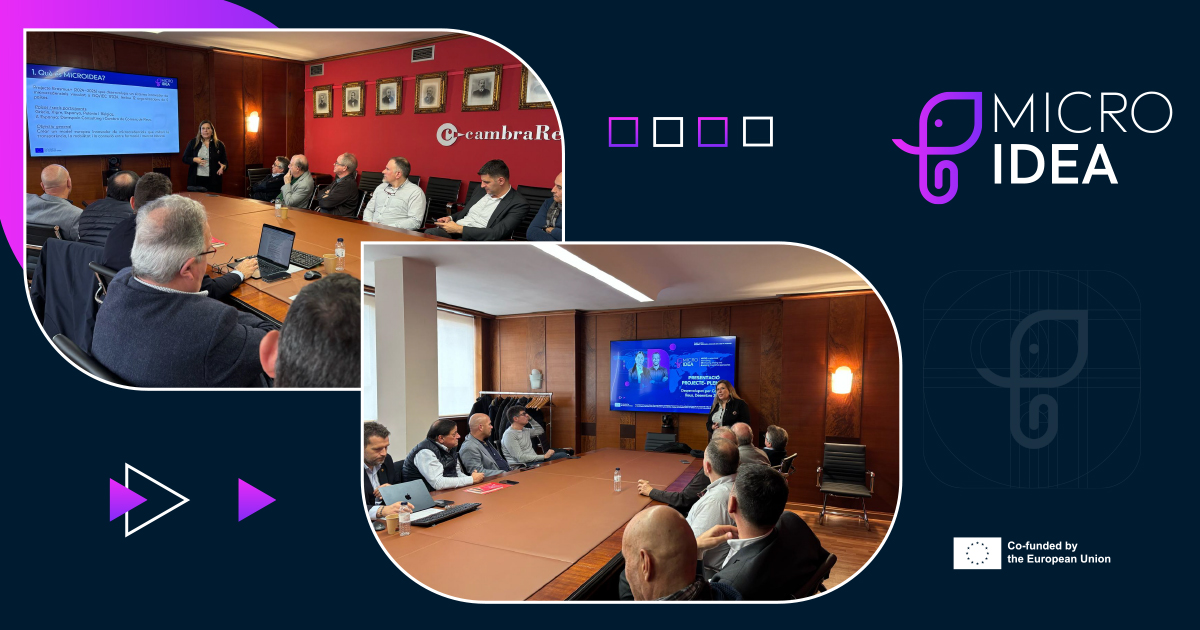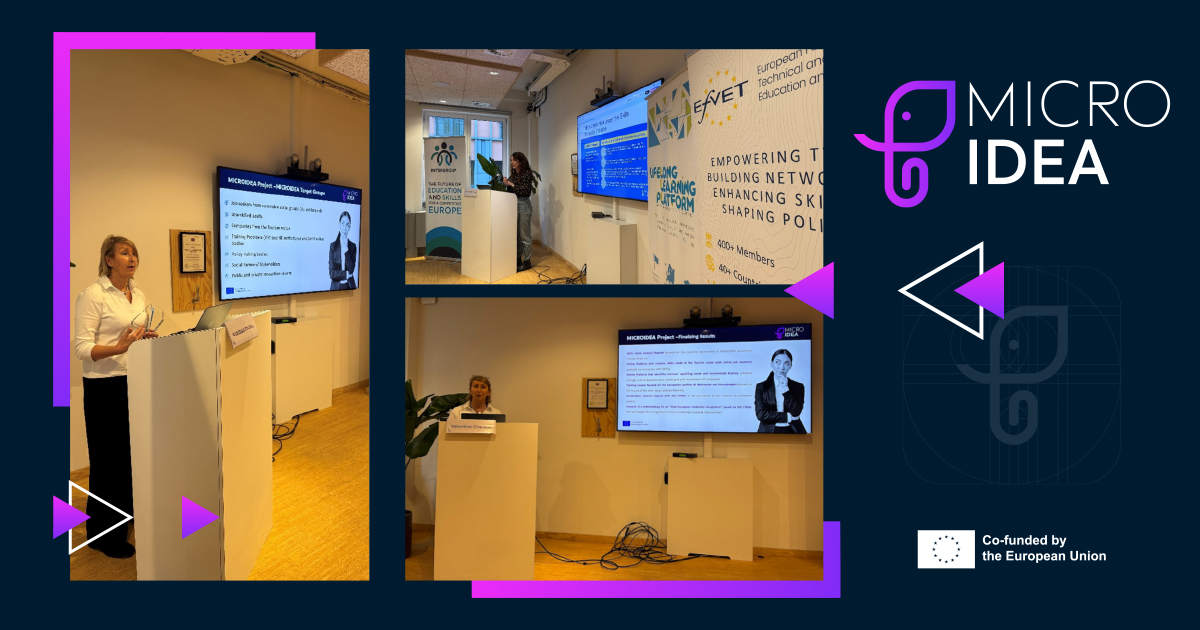
During the fourth Transnational Project Meeting held in Reus in November 2025, the MICROIDEA consortium reviewed the results of a comprehensive PESTLE analysis examining the political, economic, social, technological, legal and environmental factors shaping skills development and labour-market needs across Spain, Greece and Cyprus. The meeting, hosted by DomSpain, brought partners together to discuss progress, validate findings and plan the next stages of the project’s micro-credential framework.
What is PESTLE Analysis?
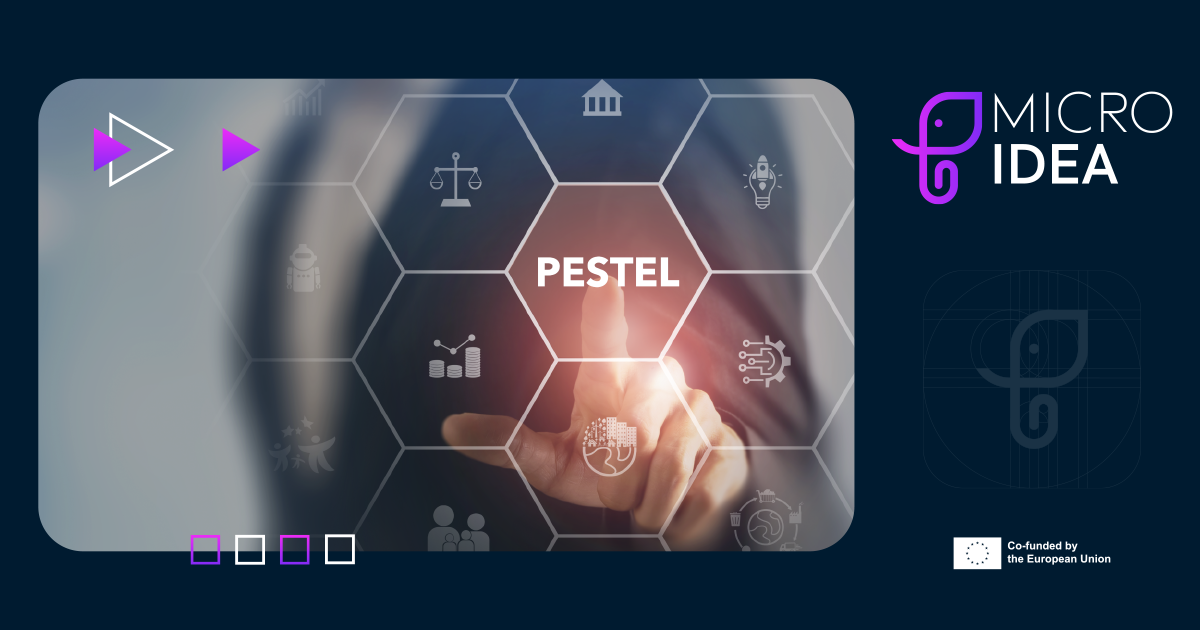
PESTLE is a strategic analytical tool used to understand the external conditions affecting policies, organisations and skills systems. By examining six areas — Political, Economic, Social, Technological, Legal and Environmental — the method helped to identify opportunities, risks and structural conditions influencing how education and training initiatives can be designed and implemented. In MICROIDEA, PESTLE analysis supports evidence-based development of micro-credentials tailored to the tourism and hospitality sector.
Key Insights from the Comparative Analysis
The PESTLE report reveals that while Spain, Greece and Cyprus share many EU-level drivers—such as digital transition, green transformation, skills mismatches and low adult learning participation—they differ significantly in how these challenges manifest.
Political context
Spain’s decentralised governance creates regional variations in the implementation of skills reforms, whereas Greece operates under a more centralised system with substantial EU funding but persistent administrative barriers. Cyprus benefits from stability and coherent national policymaking, although its small-scale limits capacity for large-scale training initiatives.
Economic factors
All three countries are navigating structural economic changes. Spain and Cyprus must shift from reliance on seasonal, low-value sectors toward higher-value digital and green industries. Greece continues to rebuild its labour market after prolonged economic stagnation, while addressing youth unemployment and talent outflow.
Social dynamics
Demographic pressures—ageing populations, regional disparities and low adult participation in lifelong learning—affect all countries, with Greece facing the most acute demographic decline. Interest in modular and micro-credential learning is growing, but social recognition varies.
Technological conditions
Spain leads in digital innovation, though rural-urban divides persist. Greece is catching up rapidly through EU-funded investments in digital training, while Cyprus shows potential but requires system-wide modernisation of e-learning infrastructure.
Legal frameworks
All three countries are aligning their qualifications and validation systems with EU standards. However, Spain’s regional diversity complicates implementation, Greece’s reforms proceed unevenly, and Cyprus is still developing the legal basis for modular learning pathways.
Environmental priorities
The green transition is a shared driver of new skills demand—from sustainable tourism in Spain and Cyprus to energy transition and circular economy initiatives in Greece.
Why This Matters for MICROIDEA
By mapping the similarities and differences across these national ecosystems, the PESTLE analysis provides a strategic foundation for designing micro-credentials that are relevant, scalable and responsive to local labour-market needs. The findings discussed in Reus will guide the development of training content, stakeholder engagement strategies and policy recommendations—ensuring that MICROIDEA’s outputs are grounded in real systemic conditions.