


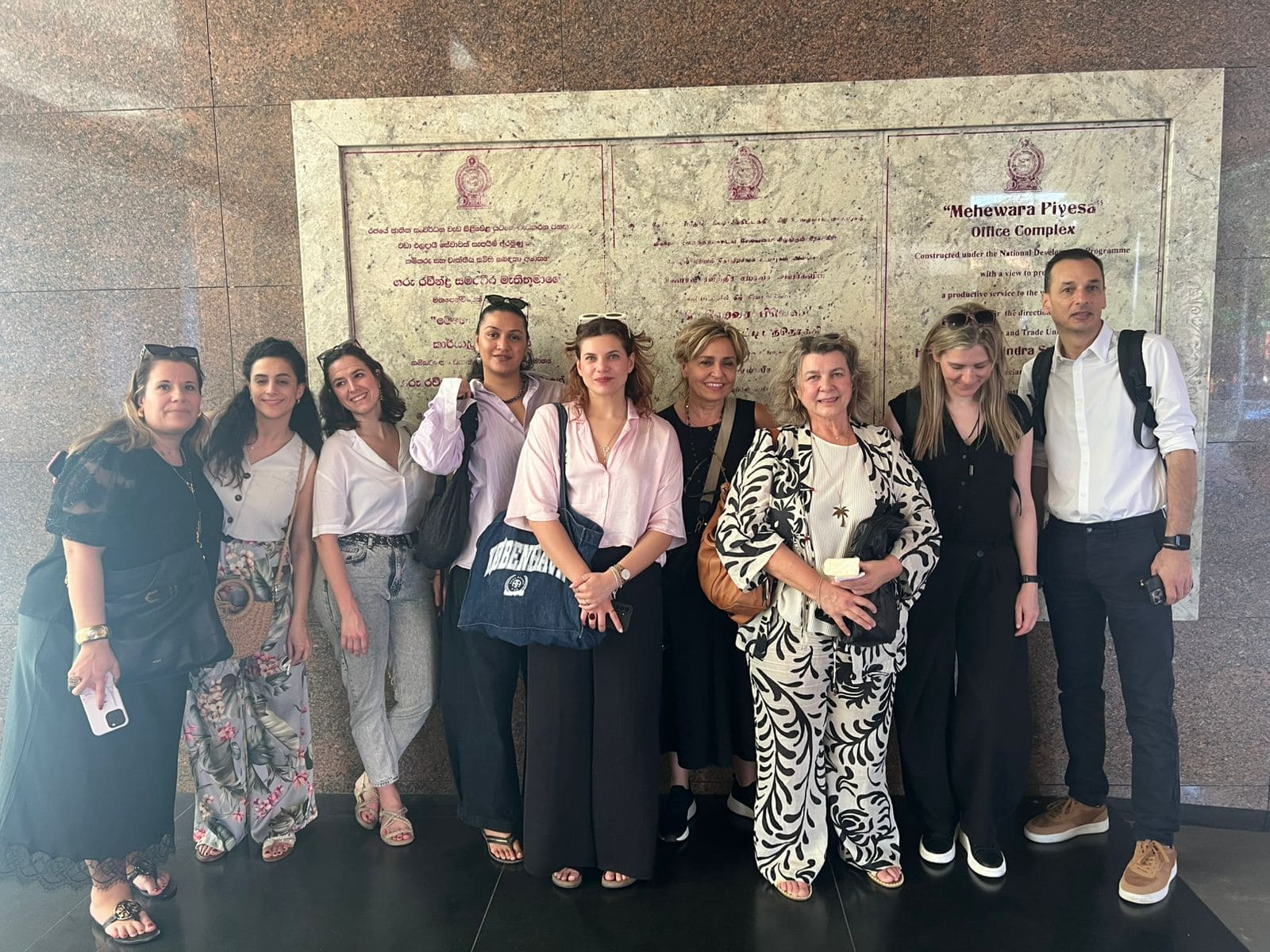
Study Visit to Sri Lanka
Between 26 and 29 January, a study visit to Sri Lanka was carried out within the framework of the MICROIDEA Project. The purpose of the visit was to hold meetings with key national stakeholders active in the field of skills development for low- and medium-qualified individuals, with the ultimate objective of supporting skills certification through the ISO 17024 standard, which constitutes a core pillar of the MICROIDEA Project.
During the visit, meetings were held with:
- ministries,
- public and private organisations,
- education and training centres,
- representatives of employees and unemployed people,
- migration and labour recruitment agencies.
The objective of these meetings was to present the MICROIDEA Project, its methodology, and the tools being developed, and to highlight the benefits that may result for the organisations involved through the adoption and implementation of the project’s approach.
A. Meeting with Trade Union FTZ & GSEU
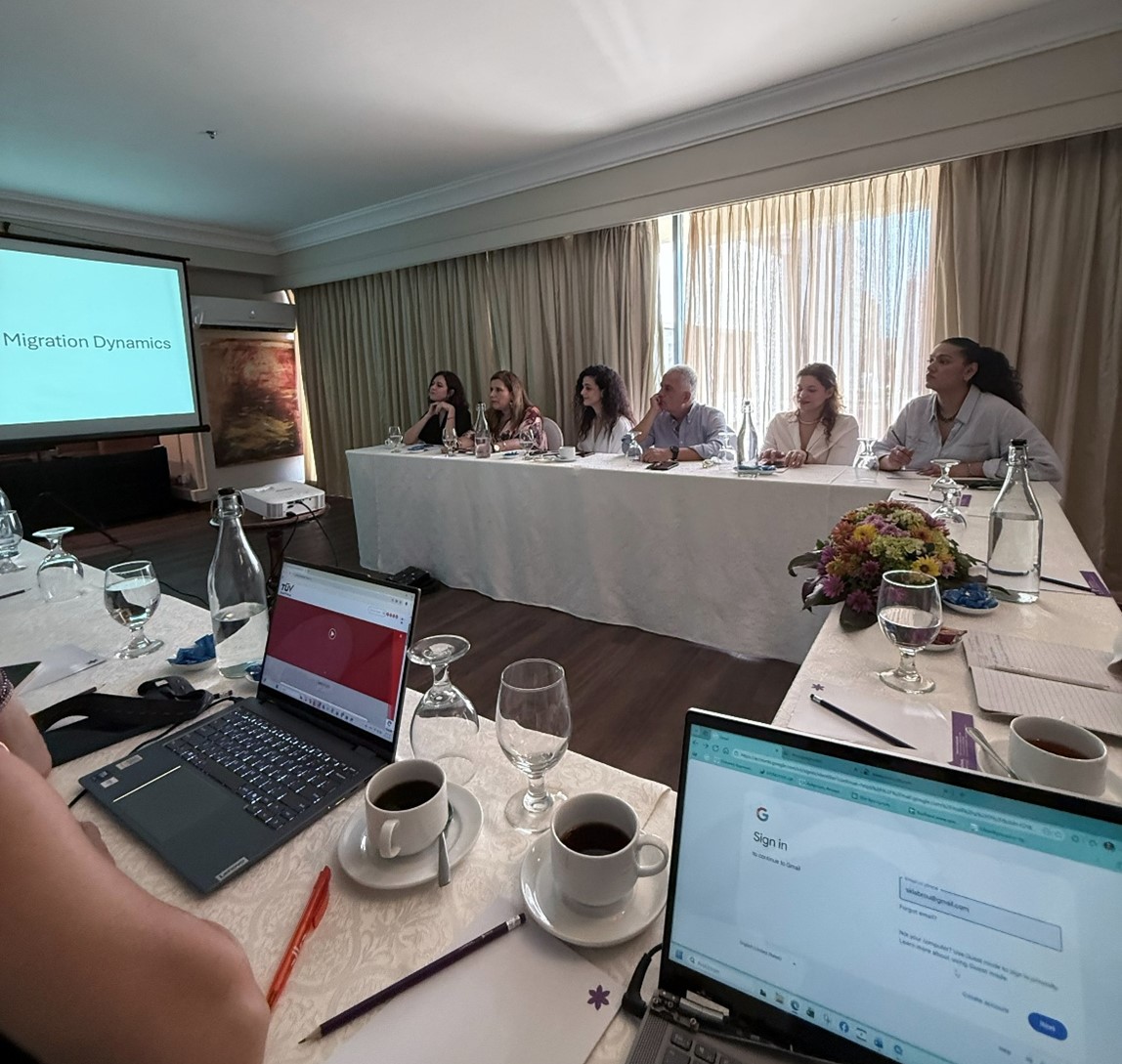
The first meeting took place on Tuesday, 27 January, with the Trade Union FTZ & GSEU (Free Trade Zones & General Services Employees Union). Discussions were held with Mr Anton Marcus, Executive Committee Member and Co-Chair of the Industrial Sri Lanka Council. This trade union played a decisive role in organising the visit, as it maintains close cooperation with 3F (one of the largest labour unions in Denmark), which participates in the MICROIDEA Project as an Associated Partner. The union has approximately 20,000 members and is the largest in the country.
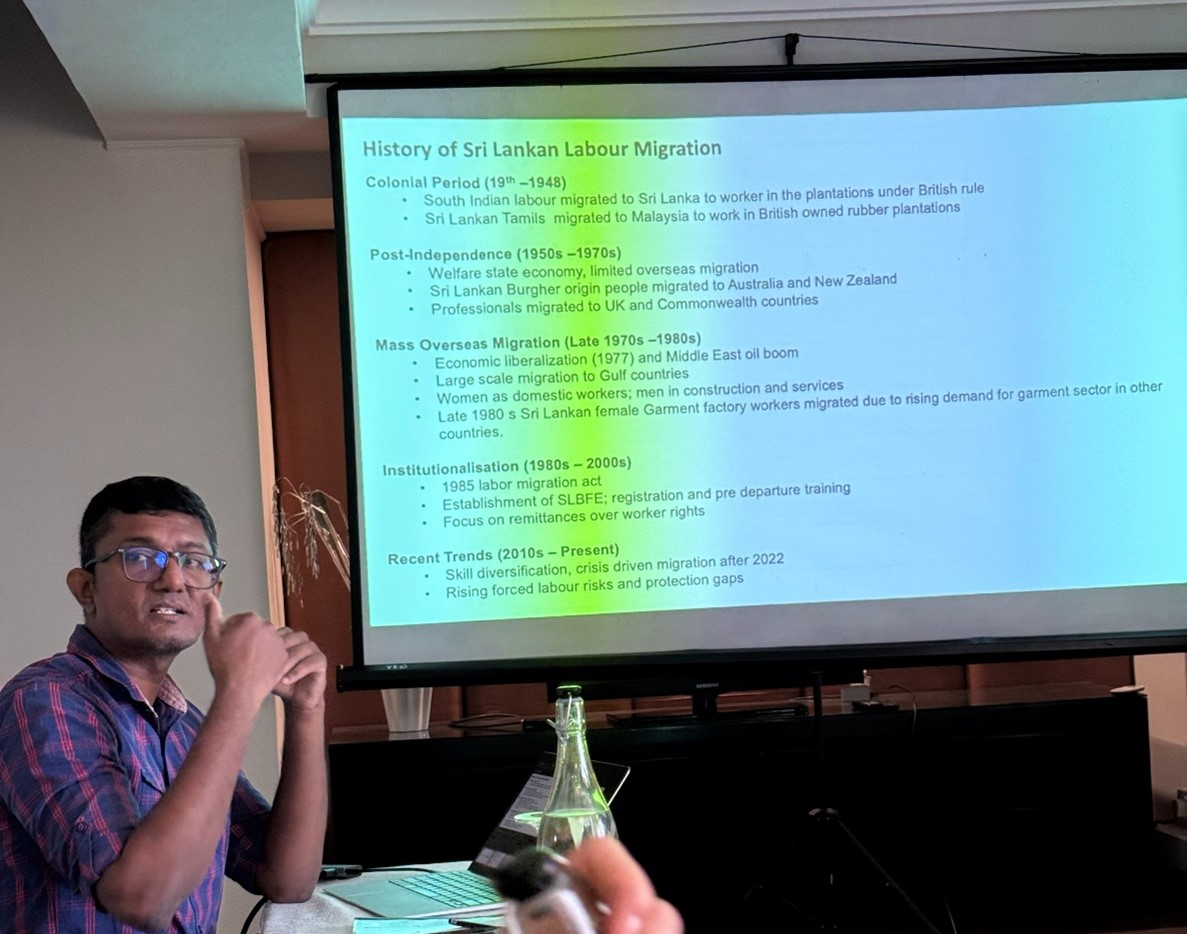
During the meeting, the institutional framework and historical evolution of labour migration in Sri Lanka were presented and discussed in depth.
Brief Overview of Labour Migration in Sri Lanka
Sri Lanka has a population of approximately 21 million. The country gained independence in 1948, marking the beginning of its organised migration history. Since 2010, migration flows have been characterised by skills diversification, crisis-driven migration following 2022, and increasing risks of forced labour and protection gaps.
Labour migration constitutes a central pillar of:
- the country’s economic stability,
- foreign currency inflows,
- and job creation.
It is estimated that 2–3 million Sri Lankan citizens live and work abroad as temporary or permanent migrants. In 2024, a record 312,000 workers departed for employment abroad (59% men and 41% women).
The main destination countries include:
- Middle Eastern countries (Saudi Arabia, Kuwait, Qatar),
- and East Asian countries such as Japan and South Korea.
Remittances from migrant workers reached approximately USD 8 billion in 2025, corresponding to 8–9% of national GDP. Labour migration contributes significantly to reducing domestic unemployment—particularly among young people and low- to medium-skilled workers—while also supporting household income, education, and health.
Challenges and Institutional Framework
Key challenges identified include:
- protection of migrant workers,
- abusive practices in recruitment procedures,
- gender-related risks for women migrants,
- skills loss and difficulties in reintegration after return.
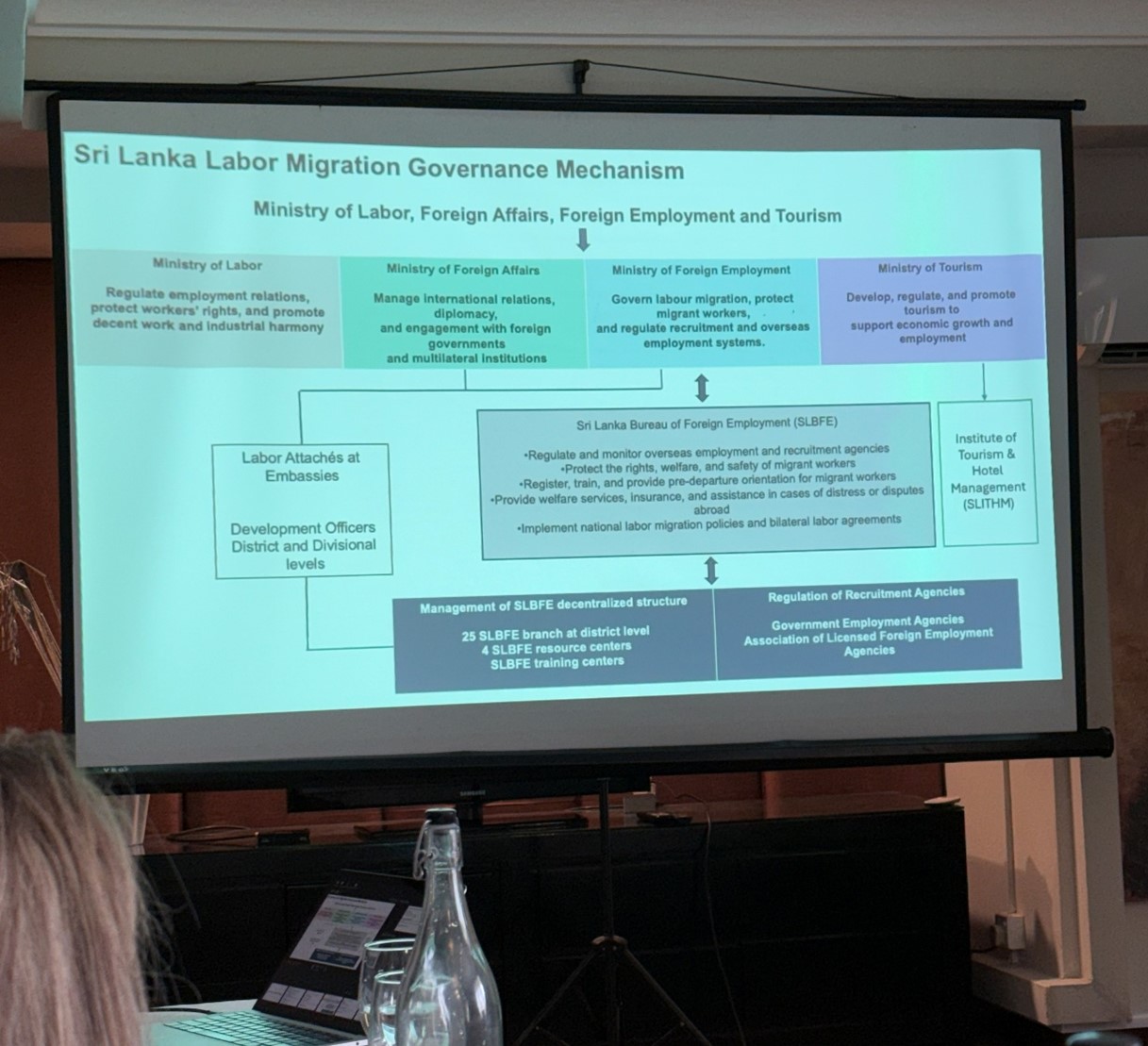
Governance of labour migration in Sri Lanka is implemented through:
- the Ministry of Labour,
- the Ministry of Foreign Affairs,
- the Ministry of Foreign Employment (Migration),
- and the Ministry of Tourism.
A central role is played by the Sri Lanka Bureau of Foreign Employment (SLBFE), which operates approximately 30 decentralised branches and training centres across the country, in cooperation with labour attachés at embassies and regional development officers.
Role of the Sri Lanka Bureau of Foreign Employment & Skills Recognition System
Beyond its decentralised district-level branches, SLBFE plays a central role in coordinating and supervising recruitment agencies active in overseas employment.
Sri Lanka has concluded bilateral labour cooperation agreements with key destination countries, particularly in the Middle East and East Asia. These agreements define in detail:
- migration procedures,
- requested occupational profiles,
- required skills and qualifications of workers.
Host countries specify their labour needs and required skills. Within this framework, Sri Lankan authorities—primarily SLBFE—undertake the training and certification of interested workers, ensuring that they are adequately prepared prior to departure.
Skills Recognition System
At national level, Sri Lanka operates an organised skills recognition system through the National Vocational Qualification (NVQ) Framework, a standardised national certification system with levels from Level 1 to Level 7.
The NVQ framework:
- recognises formal and, in some cases, non-formal skills,
- serves as a key reference for skills required for overseas employment.
In parallel, the Recognition of Prior Learning (RPL) process is applied, which:
- assesses existing professional experience and informal skills,
- enables experienced workers to obtain NVQ certification,
- is particularly important for migrant workers without formal qualifications or official diplomas.
Pre-Departure Preparation & Alignment with Host Countries
As part of pre-departure preparation, prospective migrant workers participate in:
- upgrading of professional skills by specialisation,
- language training and cultural orientation,
- training on occupational safety issues,
- information sessions on labour rights and obligations.
Skills recognition is further aligned with bilateral labour agreements through:
- partial recognition of NVQ and RPL certifications in selected host countries,
- ongoing negotiations for Mutual Recognition Arrangements (MRAs).
Labour Demand Sectors & Labour Market
Based on information collected during the meetings, labour demand from third countries differs as follows:
- demand from China, India, and Arab countries is mainly concentrated in construction,
- demand from Bangladesh is mainly concentrated in agriculture.
Overall unemployment in Sri Lanka is approximately 6%. However, among the 20–50 age group, unemployment rises to around 25%, with higher rates among women, highlighting significant social and labour challenges.
SLBFE supervises more than 1,000 employment and recruitment agencies, while approximately 1,500 training institutes operate nationwide, of which 750 are public, and 750 are private.


B. Visit to the Tertiary & Vocational Education Commission (TVEC)
A meeting was held with the Tertiary & Vocational Education Commission (TVEC), the national authority for Vocational Education and Training (VET) in Sri Lanka, operating under the Ministry of Education, Higher Education and Vocational Education.
Discussions were held with Mr Manjula Vidanapathirana, Director of the Registration, Accreditation & Quality Management Systems Division. The meeting highlighted strong convergence with the objectives of the MICROIDEA Project. It is noted that only 5% of the population is illiterate, indicating a solid foundation for skills development.
Interest in Expanding Skills Development & Migration Pathways
TVEC expressed strong interest in further developing beneficiaries’ skills, not only within existing bilateral labour migration agreements, but also with the aim of expanding professional opportunities towards other countries, including Europe.
In this context, the MICROIDEA Project was presented in detail, with reference to:
- project objectives,
- methodology,
- tools developed,
- skills certification through ISO 17024, with emphasis on micro-credentials and occupation-specific professional skills.
This approach was assessed as particularly attractive, as it complements the existing NVQ/RPL system by offering enhanced international recognition.
Agreement on Pilot Cooperation
A pilot cooperation was agreed with the following key characteristics:
- Selection of 25 beneficiaries in the tourism/food services sector, specifically waiter/service staff, seeking to upgrade qualifications for labour migration.
- Selection of 2–3 trainers, who will:
- be trained by the MICROIDEA consortium,
- become familiar with the project’s tools, procedures, and methodology,
- support the training of the selected beneficiaries.
Beneficiaries will be trained in parallel with participants in MICROIDEA project pilots in Spain, Greece, and Cyprus.
At the end of the pilot period (September–October), participants will be able to take part in the ISO 17024 certification process, aiming to obtain internationally recognised skills certification.
Next Steps & Expansion of Cooperation
A workshop to be held at the end of March was agreed, with participation from:
- the MICROIDEA consortium,
- representatives of TVEC.
The workshop will focus on detailed planning, coordination, and organisation of the pilot implementation and will form the basis for a first structured cooperation.

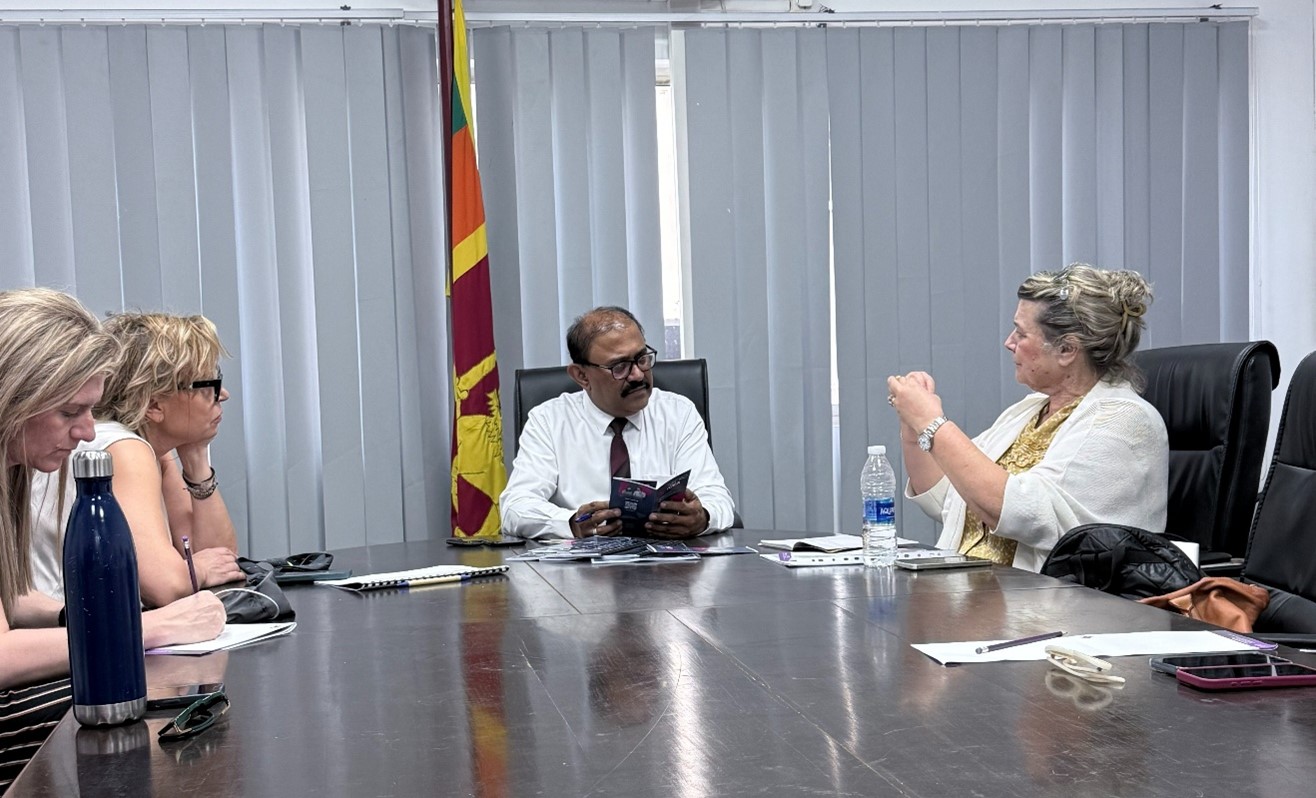
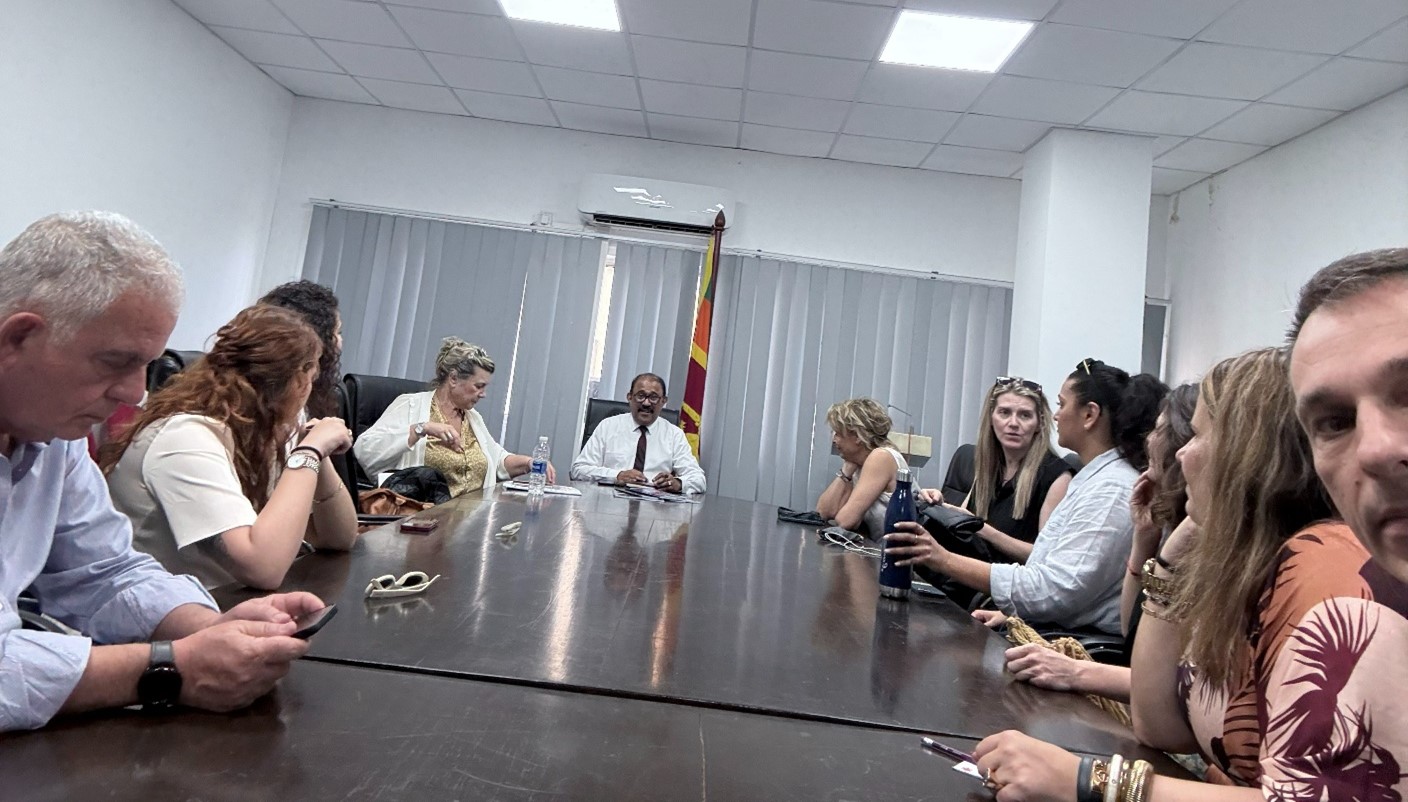
C. Meeting with ALFEA – Representatives of Private Recruitment Agencies
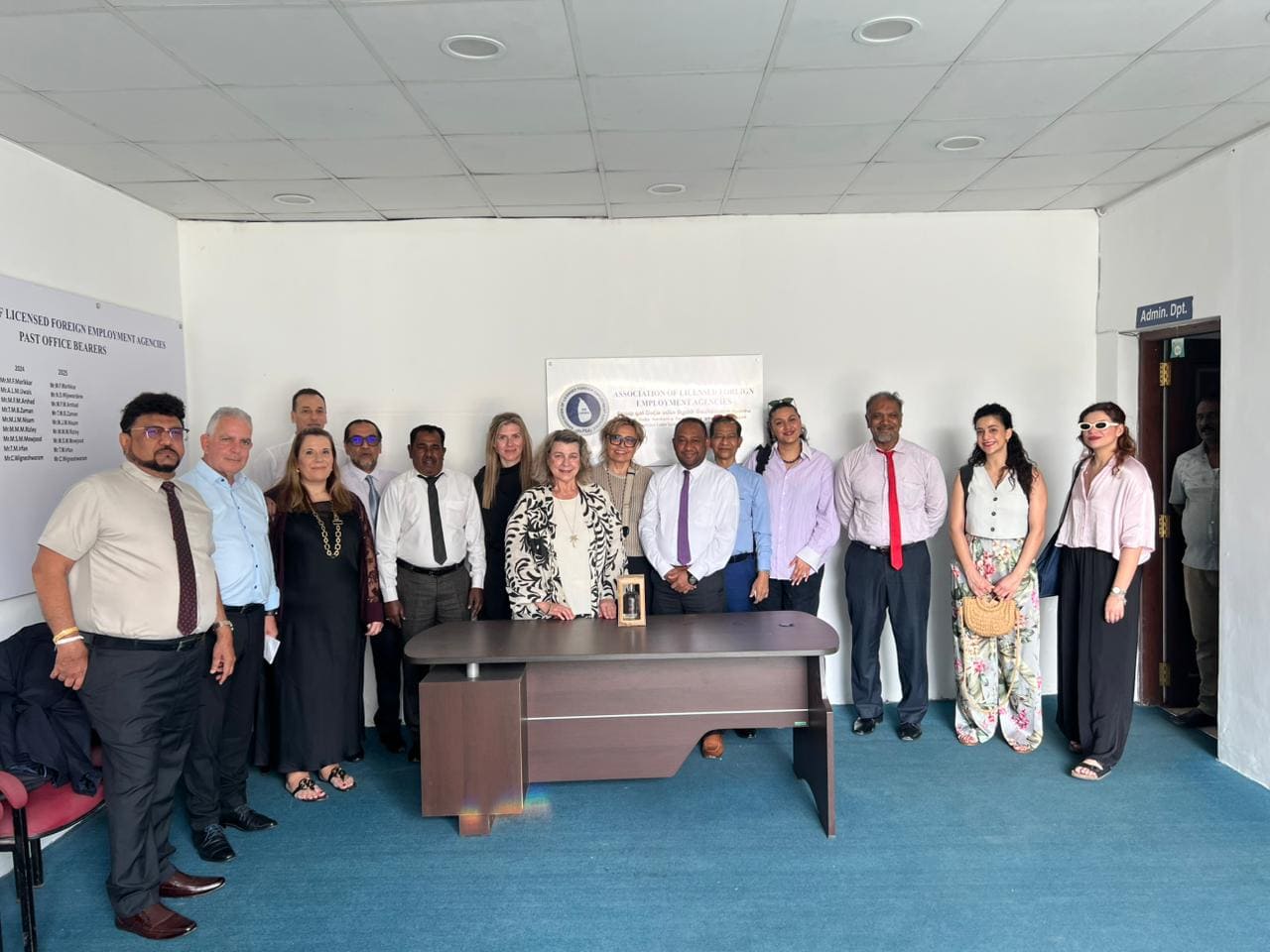
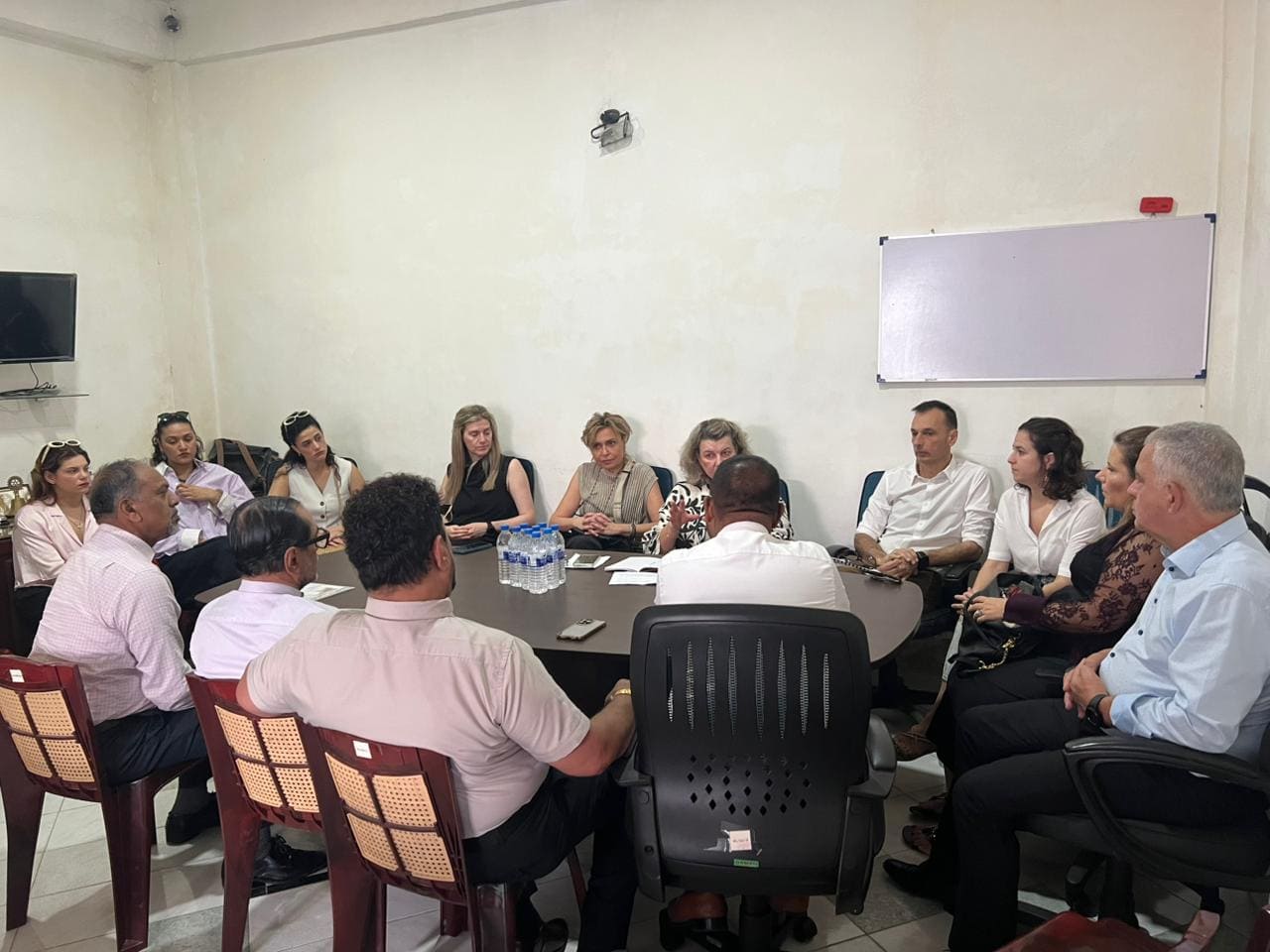
A meeting was held with ALFEA, which operates as a job agency and as a representative body of private labour migration agencies. The meeting included 6–7 Managing Directors of recruitment agencies, including Hairens Manpower LTD and NS Lanka Foreign Employment.
The labour migration process under existing bilateral agreements was presented in detail. In presenting the MICROIDEA Project—particularly skills certification through ISO 17024 and the link to micro-credentials—it was noted that, although certifications exist for certain occupations and countries, there is no horizontally recognised, internationally valid certification, especially for workers migrating to Europe.
This creates a gap in both employability and worker protection. Following the presentation of the agreement with TVEC, recruitment agencies expressed strong interest in participating in the pilot, proposing candidates and cooperating with public authorities, particularly for individuals preparing for imminent migration.
Conclusions & Framework Agreement
It was jointly agreed that the MICROIDEA Project—particularly its ISO 17024-based certification approach:
- addresses existing certification gaps,
- complements national NVQ and RPL systems,
- provides an internationally recognisable certification tool for workers targeting labour markets beyond bilateral agreements.
This was considered highly relevant by recruitment agencies and in the context of labour mobility towards Europe.

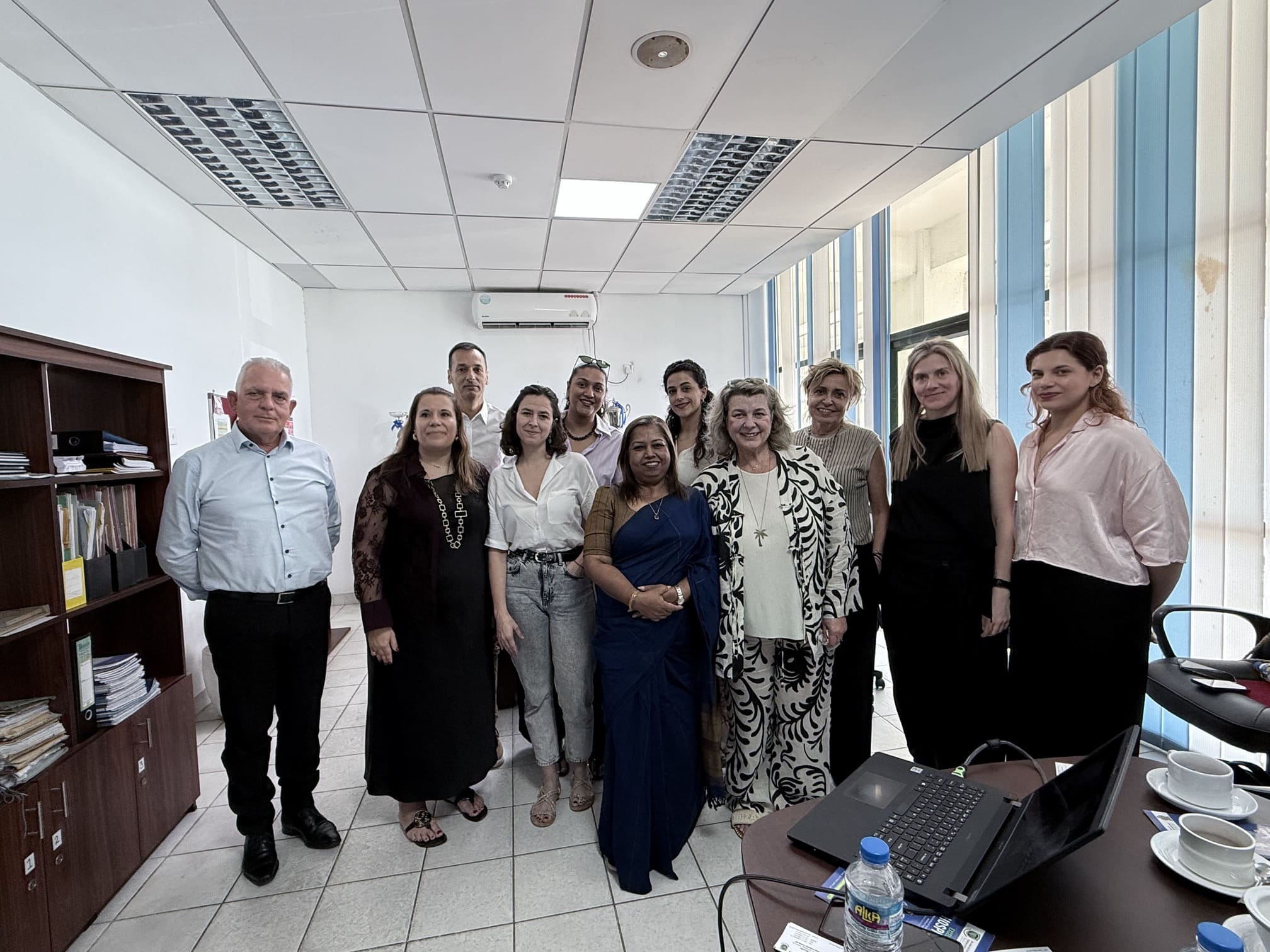
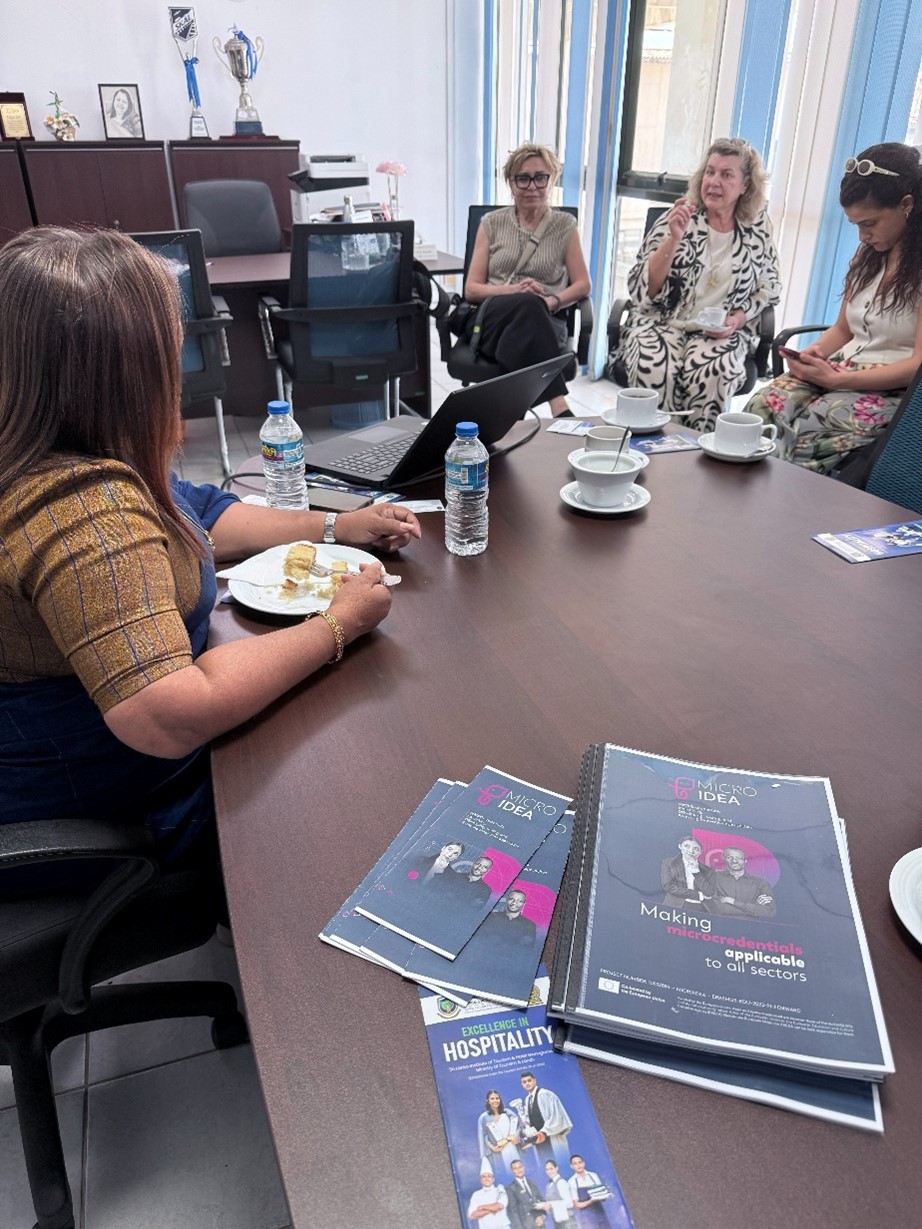
D. Visit to the Sri Lanka Institute of Tourism & Hotel Management (SLITHM)
The next institution visited was the Sri Lanka Institute of Tourism and Hotel Management (SLITHM), which operates under the supervision of the Ministry of Tourism. SLITHM is the country’s main national education and training organisation in the fields of tourism and hotel management, providing education at all levels and covering all occupations within the tourism sector.
During the visit, an extensive and highly productive meeting was held with the Director of the Schools, Ms W. Nirmalie B. Mendis, who presented in detail:
- the overall activities and mandate of the institution,
- the structure of its study programmes,
- as well as the progression logic across the different levels of education.
Structure of Study Programmes
The educational design of SLITHM is based on successive training levels, combining theoretical education with mandatory practical training.
- Foundation Level (Craft / Foundation Courses)
The first level targets newcomers to the tourism and hospitality sector (beginners).
- Duration: 3 months
- Objective: Acquisition of basic knowledge and skills for entry-level employment
- Fields of study:
- Hotel Reception (Front Office)
- Restaurant & Bar Service
- Hotel Housekeeping
- Professional Cookery
- Minimum entry requirements: No prior experience or specialised education required
The programme is designed to fully prepare trainees for entry into the tourism labour market.
- Certification Level
The next level leads to a Diploma in Hotel and Catering Operations.
- Duration: 5 months
- Entry requirements:
- completion of secondary education, or
- successful completion of the Foundation/Craft Course
- Fields of study:
- Front Office
- Food & Beverage Services
- Hotel Housekeeping
- Professional Cookery
- Intermediate Level
- Duration: 6 months
- Areas of specialisation:
- Front Office Operations
- Hotel Housekeeping
- Food & Beverage Operations
- Professional Cookery
This level aims to deepen skills and prepare learners for positions with increased responsibility.
- Advanced Level
- Duration: 3 months
- Leads to: Four-Year Diploma in Hotel & Catering Operations
- Areas of specialisation:
- Professional Cookery
- Food & Beverage Operations
- Accommodation Operations
- Higher Level (Postgraduate-type Programme)
SLITHM also offers an advanced level of studies, operating in a manner comparable to a postgraduate programme, addressed to professionals with substantial experience in the sector.
Observations Related to the MICROIDEA Project
During the meeting, it became clear that:
- SLITHM operates a structured, multi-level education and training system,
- places strong emphasis on practical training and employability,
- and functions as a key supplier of human resources for both the domestic labour market and international workforce mobility.
Its educational model demonstrates strong potential for linkage with ISO 17024–type skills certification, particularly at the level of micro-credentials, making it highly relevant to the objectives of the MICROIDEA Project.


E. Visit to the Ministry of Labour
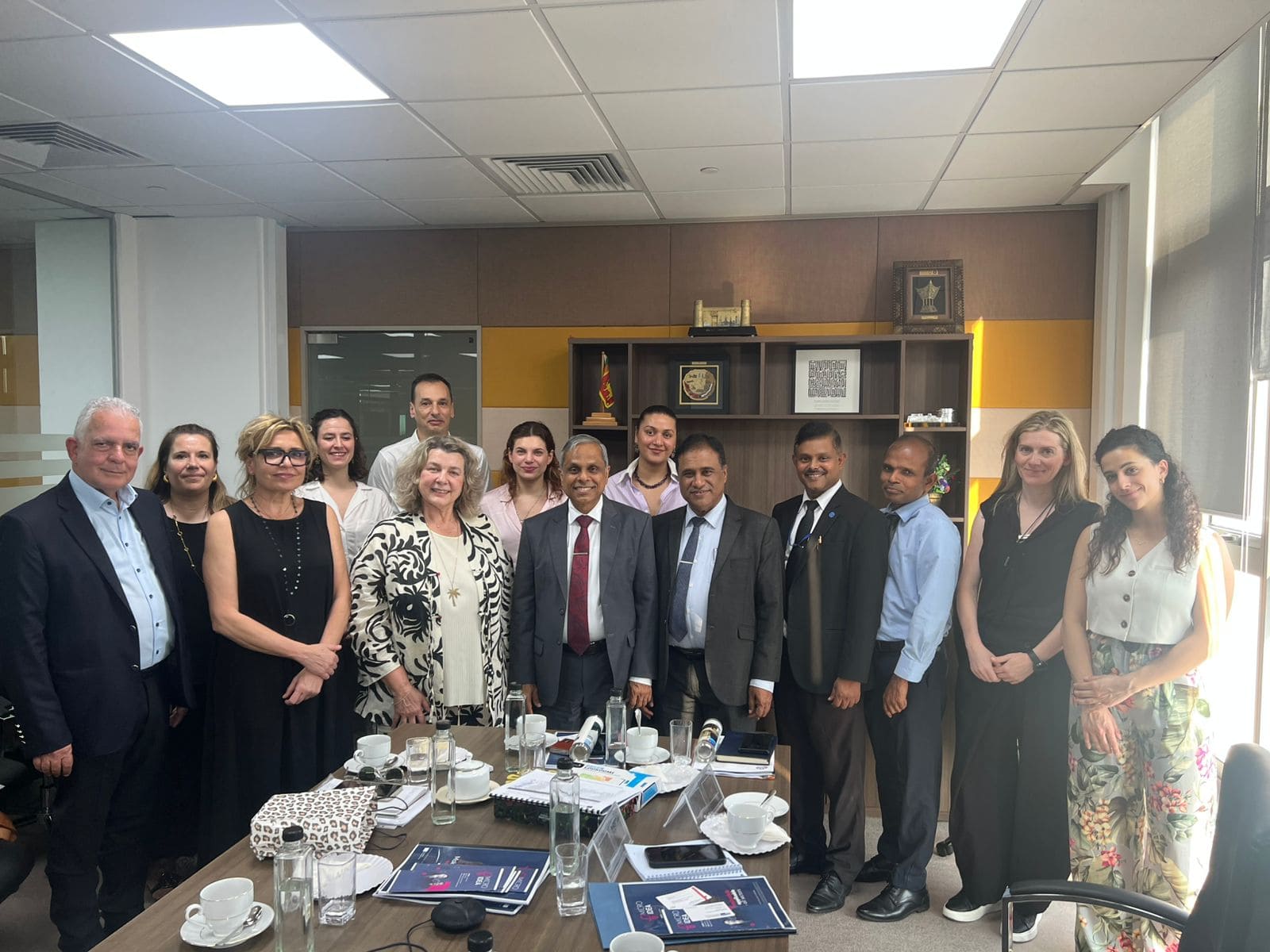
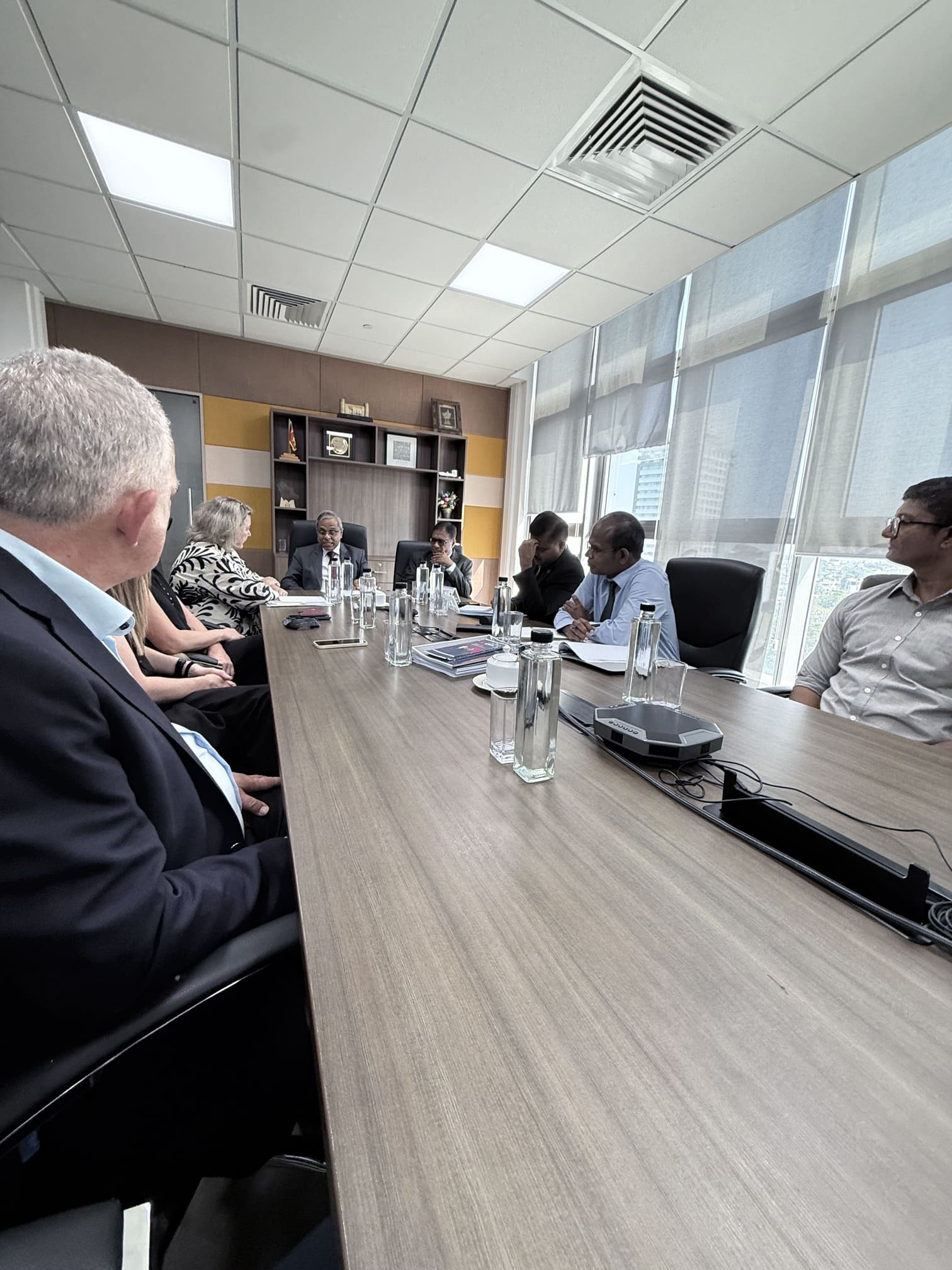
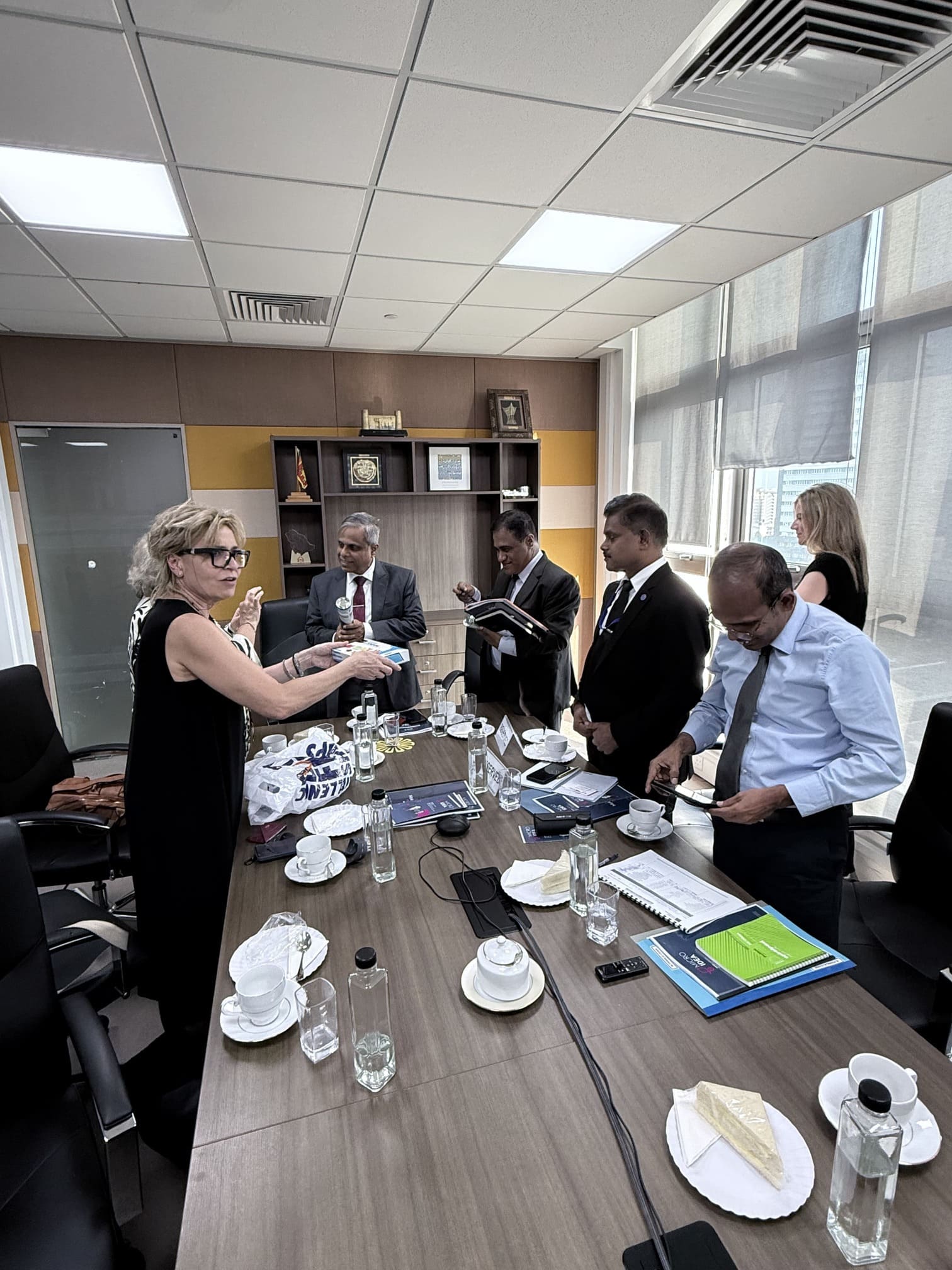
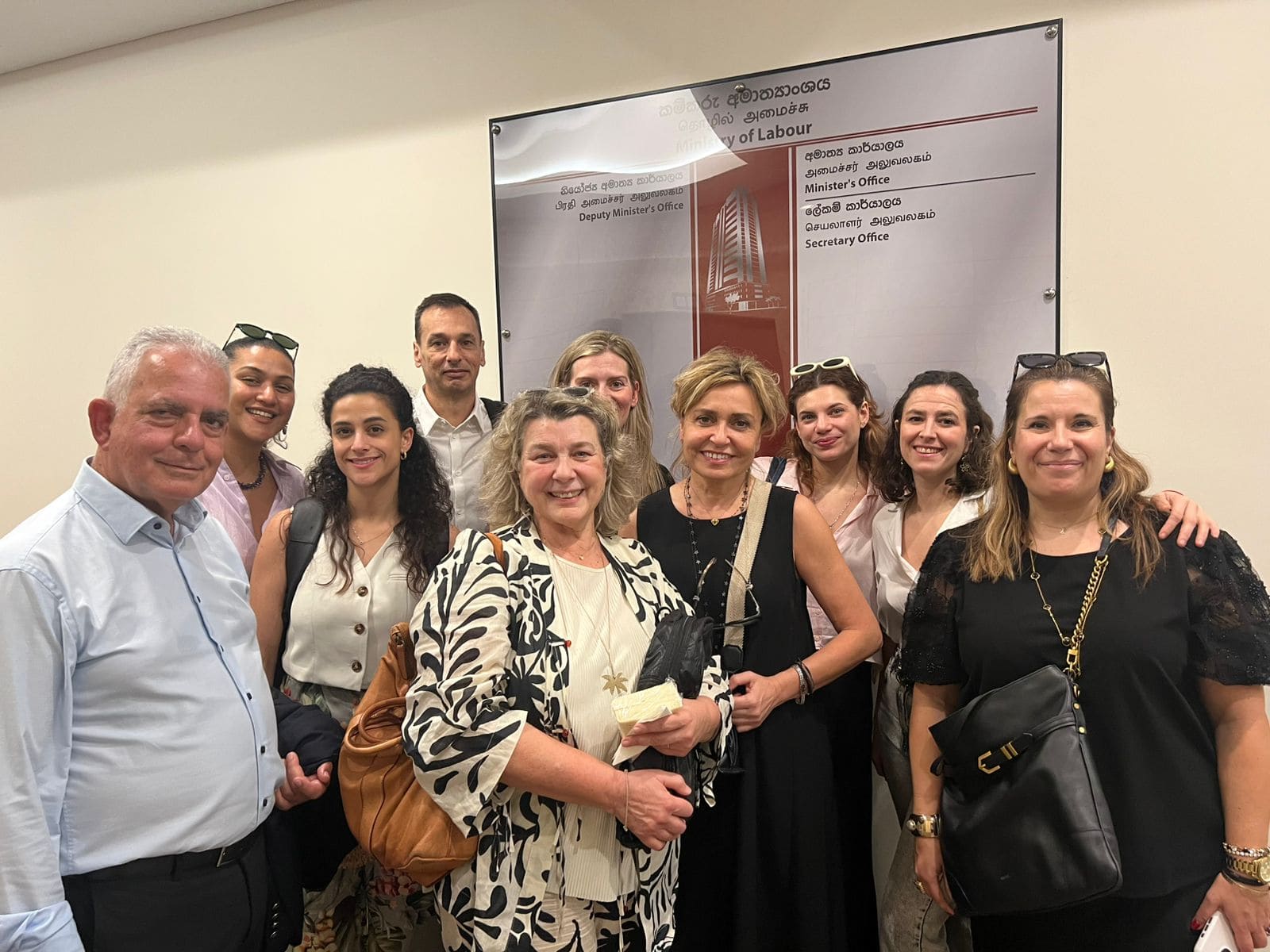
The final visit of the mission took place at the Ministry of Labour, where meetings were held with the Secretary General of the Ministry, Mr S.M. Piyatissa, as well as senior officials and advisors.
During the meeting, the MICROIDEA Project was presented in detail, with emphasis on its objectives, methodology, the tools developed, and the way in which the project contributes to the analysis, development, and certification of skills.
Role of the Ministry of Labour & Institutional Competences
It was made clear—also from the Ministry’s side—that the Ministry of Labour does not have direct competence in education and training policies, as these fall primarily under the Ministry of Education, Higher Education and Vocational Training.
However, the Ministry of Labour maintains:
- Public Employment Services,
- and employs career counsellors across various regions of Sri Lanka,
who are mainly involved in supporting the domestic workforce that remains and works within the country. As a result, the Ministry’s direct involvement in international labour mobility and skills certification remains limited.
Need for Skills Analysis & Use of Tools
Despite these institutional limitations, strong interest was expressed by the Ministry in:
- analysing skills demanded by third countries,
- comparing these requirements with the existing skills of the domestic workforce.
In this context, the role of the MICROIDEA IT tools was presented.
Specifically:
- the job-postings analysis platform was demonstrated, which processes labour market data and extracts skills demanded by employers.
The platform is already operational with online data from Greece, Cyprus, and Spain, and is capable of providing a continuous overview of skills requirements in these labour markets.
The Ministry noted that, to date, similar data are mainly sourced through the International Labour Organization (ILO), with which it maintains a close and long-standing cooperation.
CV Analysis Tool & Skills Matching
In addition, the MICROIDEA CV analysis tool was presented, which:
- aggregates CVs of beneficiaries, workers, and unemployed individuals,
- extracts structured information from CVs,
- converts experience and qualifications into structured skills,
- and performs matching against skill requirements derived from job-postings analysis.
The tool is capable of:
- proposing suitable professional pathways for beneficiaries,
- documenting skill gaps,
- supporting targeted training and upskilling interventions.
General Assessment
The meeting with the Ministry of Labour confirmed that, although the Ministry’s role is primarily advisory and supportive with regard to the domestic labour market, MICROIDEA tools can operate in a complementary manner by contributing to:
- skills needs analysis,
- employment policy design,
- bridging information between the domestic workforce and international labour markets.
Sectoral field visits and socioeconomic context of Sri Lanka
Following the meetings with stakeholders in Sri Lanka, a two-day tour was conducted to visit several businesses and venues across the manufacturing, agroeconomy, tourism, societal, and craft sectors.
These areas were visited to gain familiarity with the local economy and labour market, to understand the working conditions and skills of the workforce, and to observe how Sri Lanka is expanding its economy through tourism, agriculture, and traditional crafts, while also appreciating the country’s rich civilizational and religious history and its influence on societal and economic development. Sri Lanka’s economy has been in a period of recovery and structural adjustment following the severe financial crisis of 2022–23, with overall GDP growth rebounding strongly in recent years and continuing into 2025, driven by industry, services, and agriculture.
Services, including tourism, contribute the largest share of economic activity and employment, while agriculture and industry remain key sources of livelihoods — with roughly one quarter of the workforce engaged in both farming and industrial activities, and nearly half in services. At the same time, tourism remains an important foreign-exchange earner and a focal point of economic strategy, with government targets to increase international arrivals and diversify tourism offerings, and international institutions supporting job creation and private sector growth to address projected labor-market challenges. Both traditional sectors like tea, rice and craft production and emerging segments such as sustainable tourism illustrate the country’s multifaceted economic base and its efforts to create resilient employment opportunities across regions and communities.
Strategic Impact and Final Assessment
The visit to Sri Lanka within the framework of the MICROIDEA Project highlighted a mature yet fragmented ecosystem of skills development, labour migration, and professional certification. Sri Lanka has strong institutions, national qualification frameworks, and extensive experience in managing international labour mobility; however, significant gaps remain in the international recognition of skills, particularly with regard to labour markets beyond existing bilateral agreements.
Key Conclusions
- High demand for internationally recognised certifications
Despite the existence of the NVQ Framework and Recognition of Prior Learning (RPL) mechanisms, skills certification remains largely nationally oriented. For most destination countries—and especially for Europe—there is no single, recognisable certification tool accompanying migrant workers.
- Strong link between training and migration, but limited flexibility
The training system in Sri Lanka is closely aligned with the needs of countries with which bilateral agreements are in place. This significantly limits workers’ ability to access new labour markets, where required skills profiles differ.
- Limited capacity for skills analysis and comparison with international markets
Institutions rely primarily on external sources (e.g. the ILO) for skills data, without access to dynamic, real-time tools for analysing labour demand in European labour markets.
- Strong interest in pilot cooperation and innovative approaches
All relevant stakeholders—public authorities, education and training institutions, and recruitment agencies—expressed clear interest in pilot initiatives that bridge training, certification, and employability.
STRATEGIC VALUE OF THE MICROIDEA PROJECT
The MICROIDEA Project is strategically positioned as a bridge between:
- national skills systems (NVQ, RPL),
- international labour markets,
- and globally recognised certification frameworks (ISO/IEC 17024).
Its approach offers:
- International portability of skills, particularly through micro-credentials, enabling workers to access new labour markets beyond existing bilateral agreements.
- Evidence-based analysis of skills gaps, through IT tools that process both job postings and beneficiaries’ CVs.
- Enhanced employability and worker protection, as skills certification reduces precarity and abusive recruitment practices.
- Complementarity with national institutions, without replacing them, while strengthening the international dimension of their role.
EXPECTED IMPACT
At strategic level, the pilot implementation of the MICROIDEA Project in Sri Lanka is expected to:
- establish a good practice model for third countries with high levels of labour migration,
- strengthen Europe–third country linkages in skills development and employment,
- improve targeted training aligned with real labour market needs,
- lay the foundations for future mutual recognition agreements for skills and qualifications.
The cooperation achieved with national authorities, education and training institutions, and recruitment agencies demonstrates that the MICROIDEA Project has the potential to evolve from a pilot initiative into a sustainable strategic policy intervention in the field of international labour mobility.
PROGRAM AGENDA “MICROIDEA PROJECT VISIT TO SRI LANKA” 26-30 January 2026
Day1 – Arrival at Colombo, 26 January 2026
Preparatory/ coordinating meeting with Union (FTZ&GSEU) representatives
Day 2 – Tuesday, 27 January 2026
09:30 AM – 11:30 AM | Meeting with the Trade Union (FTZ&GSEU)
– Adress – Cinnamon Grand, 77 Galle Rd, Colombo 3
– Contact person – Ranjan Kurian
01:00 PM – 03:00 PM | Meeting with the Nipunatha Piyasa (Vocational Education Training center)
– Adress – 354/2, Elvitigala Mawatha, Colombo 05
– Contact person – Nirosha Hapuarachchi
03:30 PM – 05:00 PM | Meeting with Sri Lanka Bureau of Foreign Employment (SLBFE)
– Adress – 234 Denzil Kobbekaduwa Mawatha, Battaramulla
– Contact person –
Day 3 – Wednesday, 28 January 2026
09:00 PM – 10:00 PM | Meeting with Job Agency/ Labor Recruitment agency
– Adress – 234 Denzil Kobbekaduwa Mawatha, Battaramulla
10:30 AM – 12:30 PM | Meeting with the Ministry of Tourism tother with Sri Lanka Institute of Tourism & Hotel Management (SLITHM) – Maheeka
– Adress – SLITHM, No 78, Galle Road, Colombo 3
– Contact person – Mr Dheera Hettiarachchi
– Contact person – Sameera Kodithuwakku (Private Sec to the Minister
03:00 PM – 04:00 PM | Meeting with the Ministry of Labor, together with the representative of the education Ministry
– Adress – 7th floor, Mehewara Piyesa, Narahenpita, Colombo 05, Sri Lanka.
– Contact person – Mrs. Nisheadra Peiris, Additional Director Foreign Relations
Day 4 & 5 – Thursday-Friday, 29 & 30 January 2026
Sectoral Field Visits and Socioeconomic Context of Sri Lanka


